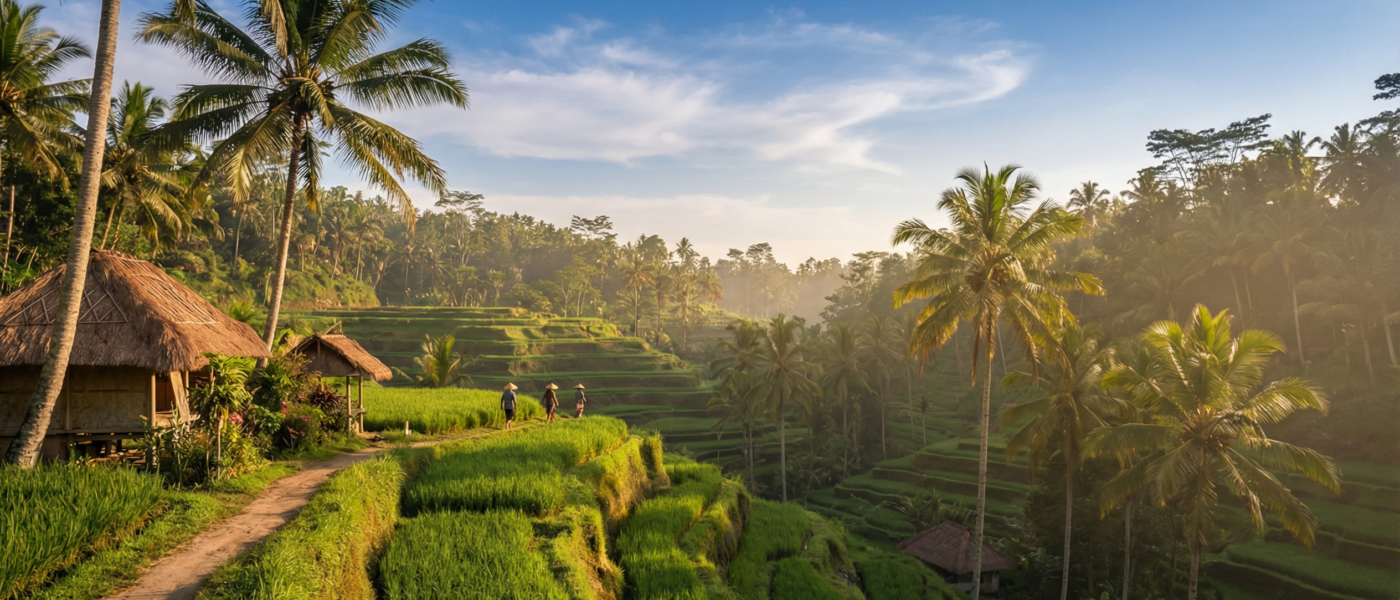
For many Australian retirees, Bali holds an almost irresistible appeal. It’s close — just a few hours by direct flight from most capital cities — warm year-round, extraordinarily affordable, and blessed with a culture that is genuinely welcoming to visitors. Whether you’re after peaceful temples and rice terraces, excellent food and spa treatments, or simply a comfortable base from which to relax and read, Bali delivers.
Why Bali Works So Well for Retirees
The combination of proximity, affordability, and warmth makes Bali uniquely suited to Australian retirees. Your money goes remarkably far — a comfortable hotel room, three meals, transport, and a massage can cost less in a day than a modest dinner out in Sydney or Melbourne. The Balinese people are genuinely hospitable, and the island has a well-developed tourist infrastructure that makes it easy to navigate even for first-time visitors.
Choosing Where to Stay
Bali is not one place — it’s a collection of very different experiences, and where you base yourself shapes your entire trip.
Ubud is Bali’s cultural and spiritual heart, set among rice paddies and jungle in the island’s interior. It’s quieter and cooler than the coast, with a focus on art, yoga, organic food, and nature. Ideal for those seeking peace and cultural immersion.
Sanur is a relaxed, low-rise beach town on the east coast, popular with older visitors and expats for its calm atmosphere, sheltered beach, and pleasant beachfront promenade. It’s less frenetic than Kuta and has excellent restaurants and cafes.
Seminyak offers a more upscale experience — stylish restaurants, boutique shopping, and beautiful sunsets over the Indian Ocean. It’s busier than Sanur but more sophisticated than Kuta.
Getting Around
The most practical and affordable way to get around Bali is via the ride-sharing apps Gojek and Grab. Simply download the app before you leave Australia, and you can book a car or motorbike taxi at very reasonable prices. For day trips further afield, hiring a private driver for the day (typically AUD 50–70) is excellent value and gives you complete flexibility.
Health and Safety
Travel insurance is non-negotiable — ensure your policy covers medical evacuation, as hospital standards vary. Drink only bottled water, apply sunscreen and insect repellent daily, and be cautious with street food until your stomach adjusts. The Bali Belly is real but usually short-lived; keep oral rehydration sachets in your bag just in case.
Unforgettable Experiences
Some of Bali’s best experiences cost very little. The Tegalalang Rice Terraces near Ubud are breathtaking and free to walk through. Watching the sunset at Tanah Lot temple costs only a small entry fee. A traditional one-hour Balinese massage at a reputable spa costs AUD 10–15. A cooking class in Ubud — where you visit a local market, learn to prepare traditional dishes, and eat what you’ve made — typically costs AUD 30–50 and is one of the highlights of any Bali trip.
A Few Practical Tips
The best time to visit is during the dry season, from April to October. Pack light, breathable clothing — it’s hot and humid year-round. Carry small denomination Indonesian Rupiah for markets and small purchases. Dress modestly when visiting temples (a sarong is usually provided at the entrance). And take your time — Bali rewards those who slow down and let the island come to them.